Introduction
In the ever-evolving landscape of health care, specifically within the world of respiratory care, the requirement for specialized training is paramount. Ventilation training courses are vital in making sure healthcare specialists are equipped with the required abilities to handle people who need mechanical ventilation assistance. The National Impairment Insurance System (NDIS) in Australia highlights reliable training programs tailored to satisfy the unique demands of people living with impairments, consisting of those requiring ventilatory support.
This article explores Designing an Effective NDIS Ventilation Training Course: Best Practices, touching upon different facets such as material development, sensible applications, regulative considerations, and strategies for effective understanding end results. We will look into why a durable educational program is essential for not simply nurses but all doctor associated with air passage management and ventilation.
Understanding NDIS Ventilation Training
What is NDIS Air flow Training?
NDIS ventilation training describes specialized programs made for doctor dealing with people who need help with breathing as a result of numerous clinical conditions. This kind of training focuses on both theoretical expertise and sensible skills essential for reliable airway management and ventilation.
The Value of Ventilation Training Courses
Ventilator usage has increased considerably in recent years, making it important for healthcare experts to be trained properly. The right education can bring about far better person end results and an improved understanding of ventilator stress assistance mechanisms.
Basic Principles of Mechanical Ventilation
Mechanics of Breathing
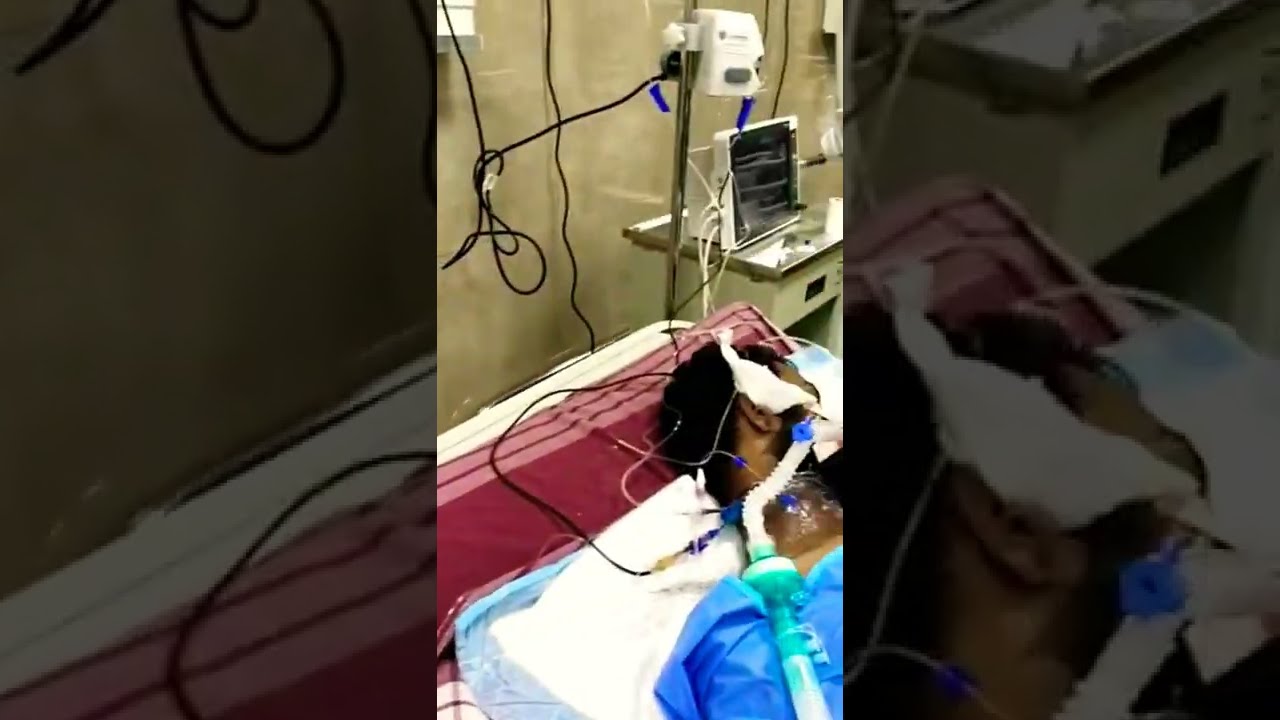
Understanding how mechanical ventilation works is fundamental. At its core, mechanical ventilation helps people that can not take a breath adequately on their own.
Types of Mechanical Ventilators- Invasive vs. Non-invasive Volume-cycled vs. Pressure-cycled
- Endotracheal tubes Tracheostomy devices Humidifiers
Ventilator Settings Explained
What do the setups on a ventilator indicate? Each specification readjusts just how much air and oxygen a patient receives.
- Tidal Quantity (VT): The amount of air supplied in each breath. Respiratory Price (RR): The number of breaths per minute. FiO2: The portion of inspired oxygen.
Understanding these settings allows doctor to enhance therapy strategies effectively.
Curriculum Design for NDIS Ventilation Courses
Key Aspects of Educational program Development
Creating an educational program that fulfills both regulative requirements and practical requirements includes numerous key elements:
Learning Objectives: Specify what participants must recognize by the end of the course. Content Structure: Organize material in sensible sections such as standard ventilator training course material complied with by innovative techniques. Assessment Methods: Determine how learners will certainly be assessed-- practicals, written examinations, etc.
Incorporating Adult Discovering Principles
Adults discover in different ways than youngsters; hence, integrating concepts like self-directed learning and real-world applicability can boost engagement.
Best Practices in Teaching Techniques
Hands-On Training Approaches
Why are hands-on strategies crucial? Since they permit participants to exercise their abilities in a regulated setup prior to experiencing real-life scenarios.
- Simulation labs Role-playing exercises Case studies
These techniques foster self-confidence among students while preparing them for emergency situations they might deal with in professional settings.
Utilizing Modern technology in Education
Technological innovations have changed education and learning delivery systems considerably. Making use of online platforms can extend reach while offering flexibility to busy medical care professionals.
Virtual classrooms Interactive e-learning modules Telehealth integrationTracheostomy and Ventilator Training
Understanding Tracheostomy Care
Tracheostomy procedures include positioning a tube through a laceration in the trachea to facilitate breathing when traditional airway administration fails or is not sufficient.
- Types of tracheostomy tubes Indications for use
Integrating Tracheostomy into Ventilator Training
Incorporating tracheostomy care right into ventilator training ensures comprehensive protection of air passage administration subjects vital for nursing competence.
Evaluation Strategies for NDIS Air Flow Courses
Formative Analysis Techniques
Assessment is vital throughout the understanding process. Developmental assessments assist identify locations requiring enhancement throughout training rather than only at its conclusion.
Quizzes after each module Peer responses sessions Observational checklists during practicalsSummative Examination Methods
Summative analyses evaluate overall effectiveness at the end of the training course through:
- Final exams Practical skill assessments Course comments surveys
Legal and Honest Factors to consider in Ventilation Training
Regulatory Requirements Compliance
Adhering to regional legislations pertaining to healthcare training guarantees that programs meet needed safety and security standards and educational high quality benchmarks.
Ethical Responsibilities as Educators
As instructors, there exists an ethical obligation to impart accurate info while advertising safe techniques among future health care providers.
Engaging Medical care Professionals in Discovering Modules
Creating Interactive Understanding Experiences
Interactive environments not only make learning satisfying yet also improve information retention prices among participants.
- Group discussions Hands-on demos with responses loopholes
Motivational Methods for Grownup Learners
How do you keep adult learners encouraged? Concentrating on relevance and sensible application keeps passion levels high throughout the program duration.
Conclusion: Transforming Lives With Education
In amount, effective NDIS ventilation training courses form a foundation for experienced respiratory system treatment method within Australia's varied health care structure. By adhering to finest methods described below-- from educational program development with examination-- teachers can produce impactful understanding experiences that gear up nurses and various other specialists with crucial skills needed for handling airway-related obstacles effectively.
FAQs concerning Creating an Effective NDIS Ventilation Training Training Course: Best Practices
Q1: What types of professionals should take an NDIS ventilation training course? A1: Primarily targeted at nurses, however likewise helpful for allied health and wellness staff involved in patient respiratory system treatment management.

Q2: The length of time does it generally take to complete an NDIS air flow course? A2: Duration varies extensively depending upon program framework; however, a lot of courses range from eventually https://jsbin.com/nemewoboya approximately a number of weeks.
Q3: Exist prerequisites prior to registering in an NDIS ventilation training course? A3: Yes, commonly some history understanding or experience pertaining to breathing therapy or nursing is required.
Q4: Can this training enhance client end results significantly? A4: Definitely! Correctly trained personnel can supply better treatment leading straight to boosted person health results.
Q5: Is online training offered for these courses? A5: Yes! Numerous establishments use hybrid versions incorporating online concept with functional elements done onsite.

Q6: Will certainly I receive qualification upon completion? A6: The majority of trusted courses offer qualification identified within the market upon adequate completion.
Designed thoughtfully, this detailed method towards developing reliable NDIS ventilation training courses will undoubtedly contribute favorably towards boosting individual care throughout various setups-- paving pathways towards excellence!